
Heat Gain vs Natural Light: How to Balance Comfort in Sun-Facing Rooms
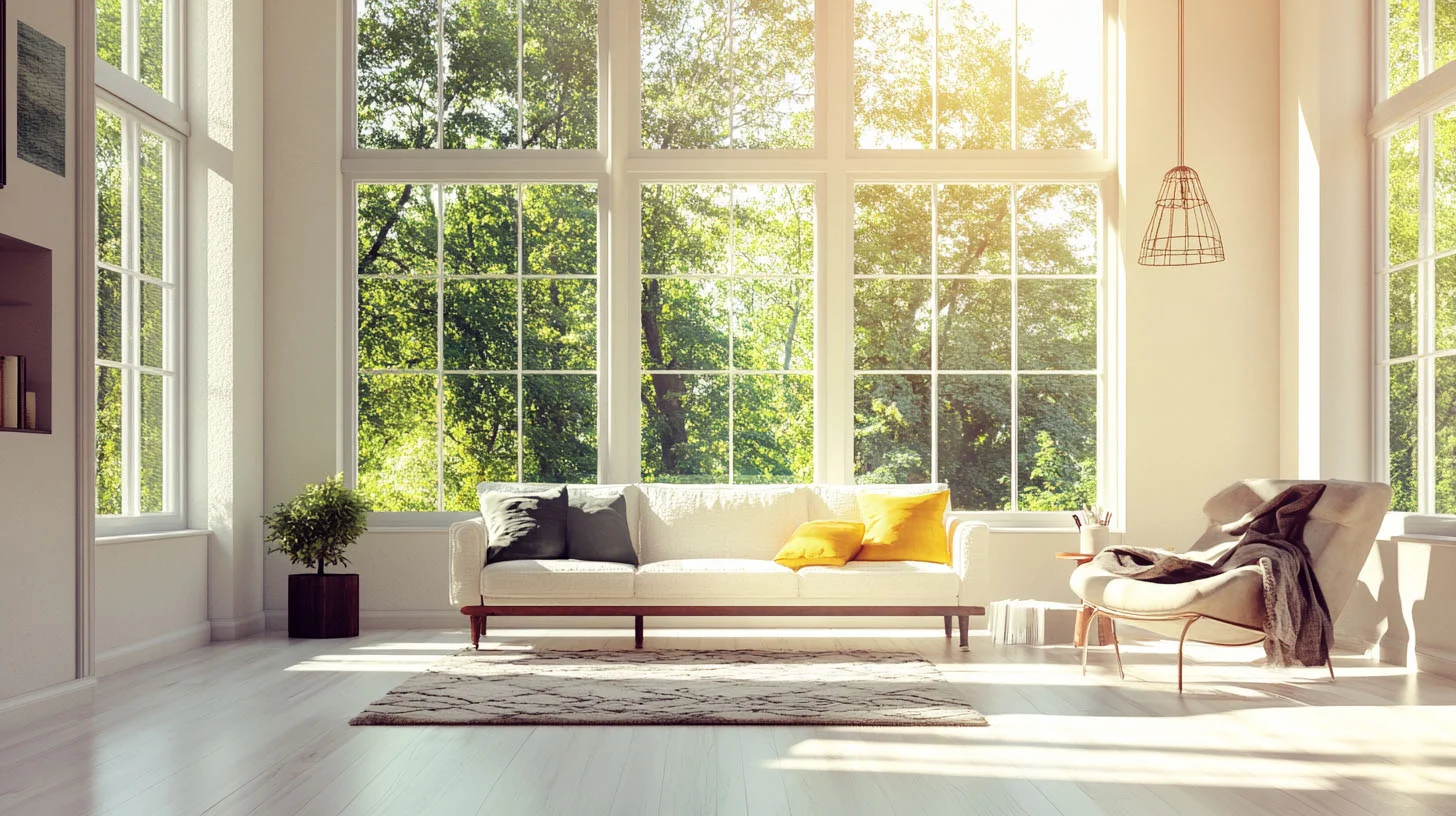
Sun-facing rooms bring wonderful natural light into your home, but they can also bring uncomfortable heat. Finding the right balance between enjoying the brightness and managing the temperature is key to creating a comfortable living space. High sun exposure doesn’t mean you have to sacrifice comfort for light. With the right approach, you can have a bright, airy room that stays pleasant all year round, here in Portage, MI.
Understanding Sun-Facing Rooms and Heat Gain
Sun-facing rooms, particularly those exposed to the afternoon sun, experience significant solar heat gain, directly influencing indoor temperatures. Understanding how these environments absorb sunlight can lead to better energy performance and enhanced comfort. Strategic design elements, such as larger windows or thermal mass, can moderate heat transfer and optimize natural light. Moreover, optimal window treatments—like cellular shades and window films—can effectively reduce energy consumption while still allowing desirable light transmission. Balancing these factors ensures that spaces remain comfortable and energy-efficient throughout the year.
Why Natural Light Is Essential for Home Comfort
Natural light does more than brighten your home—it connects you to the outdoors and boosts mood and productivity. Daylight reduces the need for artificial lighting, improving energy efficiency. Bright spaces feel larger, open, and inviting.
At Howe Patio and Windows, we believe your home should bring you joy. Quality light makes colors vibrant and creates a dynamic atmosphere throughout the day. Our expertise delivers beautiful natural light with thermal control. As an EPA-certified lead-safe renovator, we help you enhance comfort and efficiency year-round. Your vision for a bright, comfortable home is our priority.
How Sun Exposure Impacts Room Temperature
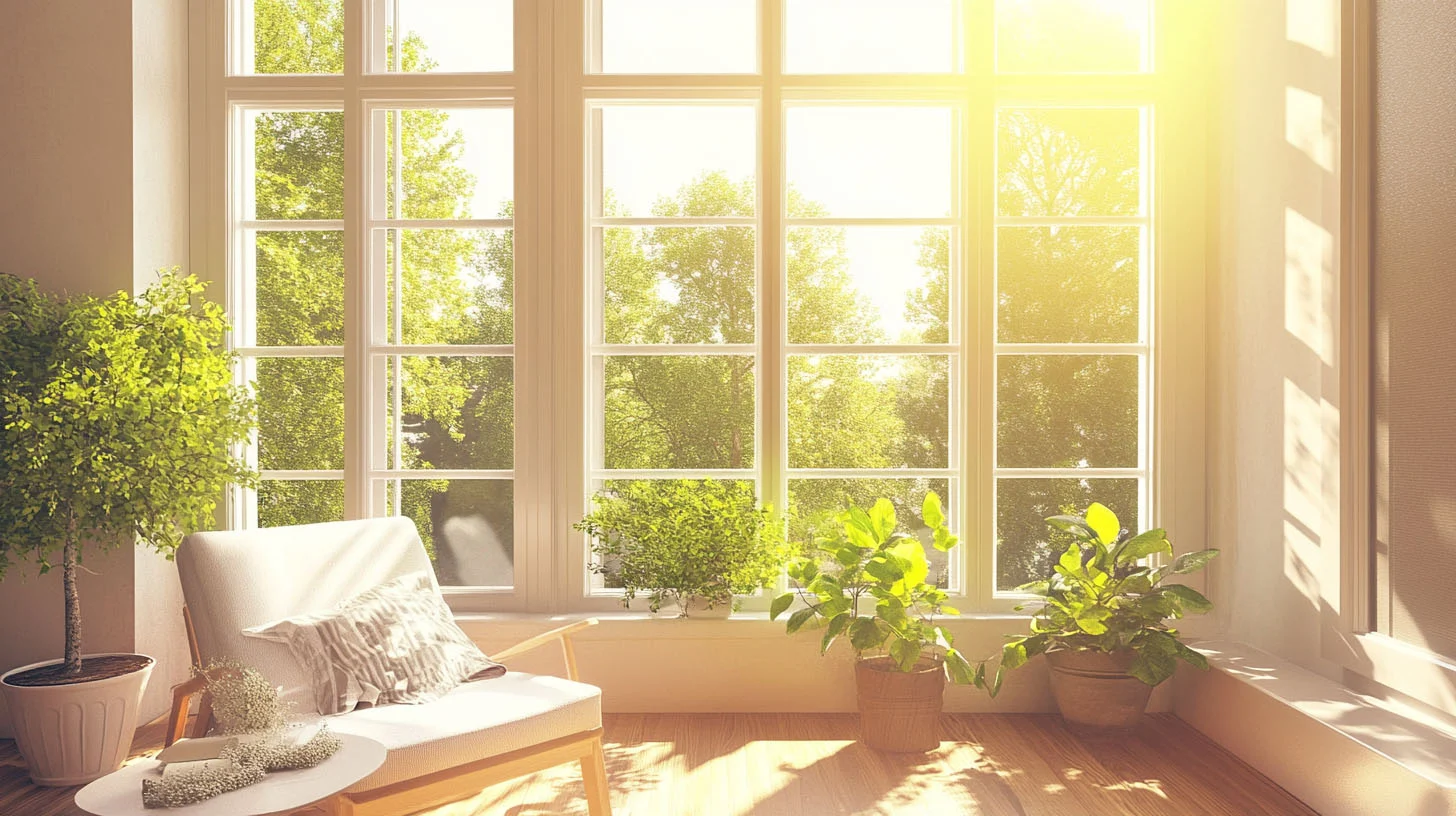
Exposure to sunlight plays a crucial role in determining indoor temperatures, significantly affecting overall home comfort. During the hottest parts of the day, areas with direct sunlight, particularly from west-facing windows, can experience increased heat gain, leading to higher energy consumption as air conditioning systems work harder to maintain comfortable temperatures. In contrast, morning sun can provide gentle warmth and natural light without excessive heat. Awareness of the angle of the sun throughout the day and strategic placement of larger windows or window treatments can effectively balance comfort while minimizing cooling costs.
Common Challenges of Sun-Facing Spaces
Sun-facing spaces, while bathed in natural light, often invite common challenges that can affect home comfort significantly. Increased heat gain during the hottest part of the day leads to elevated indoor temperatures, straining air conditioning systems and inflating utility bills. The intense sunlight can result in UV damage to furnishings and excessive glare, reducing the functionality of these living spaces. Balancing energy efficiency becomes crucial as sun exposure varies throughout the day. Homeowners may need to explore window treatments or strategically positioned window films to mitigate the heat while maximizing the benefits of natural light.
The Role of Home Orientation
Orientation plays a pivotal role in defining the energy performance and comfort of a space. For instance, east-facing rooms bask in morning light, boosting warmth without excessive heat gain during the hottest part of the day. Conversely, south and west-facing windows can lead to increased solar radiation and heat transfer in the summer months. This can necessitate effective window treatments like solar screens or thermal curtains to mitigate energy costs. Also, incorporating deciduous trees or awnings can provide valuable shade, further enhancing the overall home comfort and energy efficiency.
Effects of North, South, East, and West-Facing Rooms
Orientation has a significant influence on the indoor temperatures of sun-facing rooms. North-facing spaces typically receive consistent, diffused light, minimizing direct sunlight and heat gain, making them cooler, particularly during summer. In contrast, south-facing rooms bask in intense sunlight throughout the day, leading to a notable increase in heat and potential discomfort during peak hours. East-facing areas benefit from warm morning light, while west-facing rooms often absorb afternoon heat. Understanding these dynamics can aid in optimizing energy efficiency and enhancing home comfort, ensuring spaces remain pleasant year-round.
How Orientation Changes Light and Heat Throughout the Day
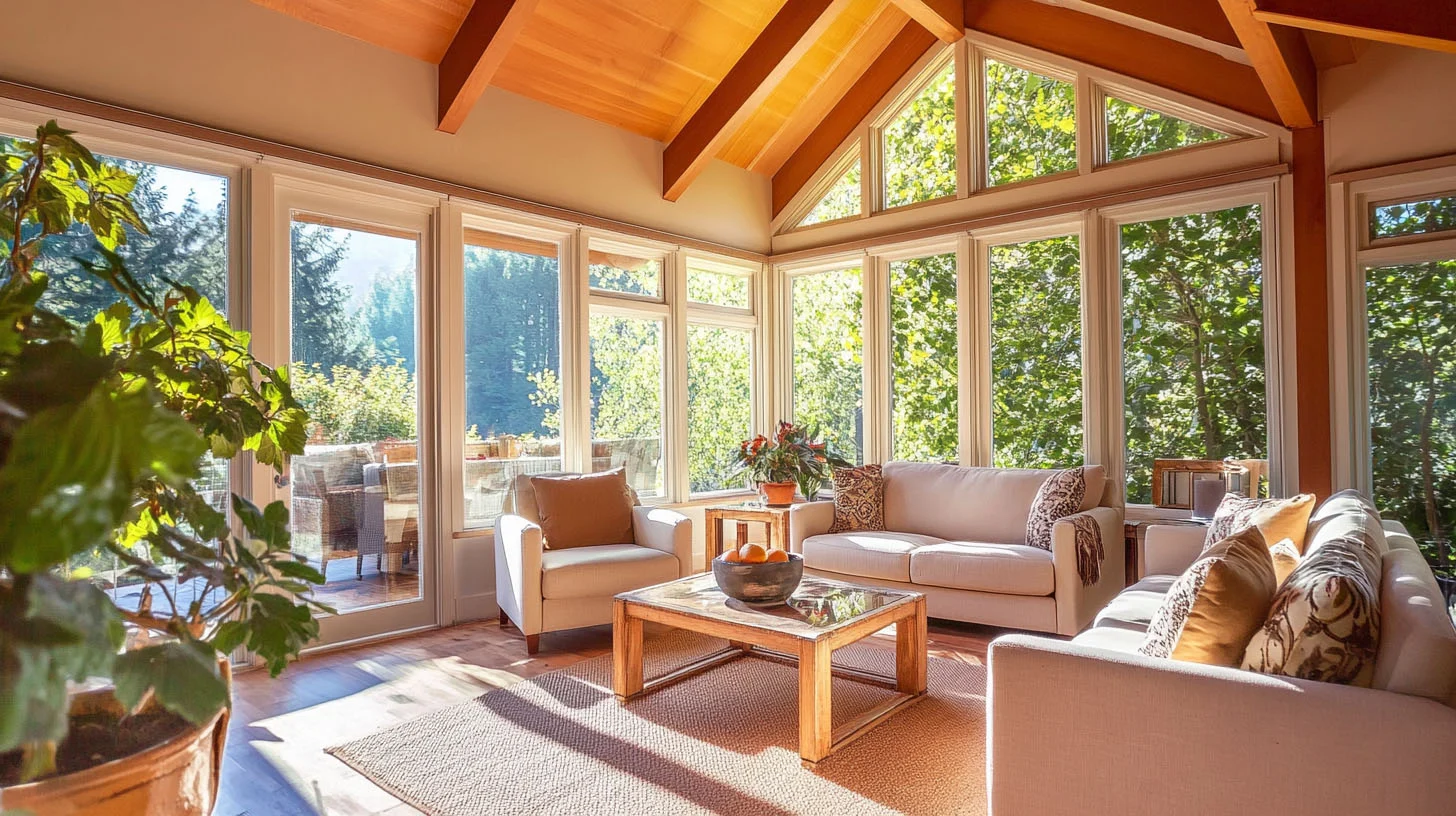
Sun’s position throughout the day significantly influences indoor temperatures and natural light levels. For instance, east-facing rooms bask in the gentle glow of morning sun, leading to milder heat gain, while west-facing spaces can experience intense sunlight during the hottest part of the day, resulting in elevated indoor warmth. Understanding this solar radiation pattern allows homeowners to optimize window treatments like solar screens or thermal curtains, thus enhancing energy efficiency and promoting summer comfort. Balancing light and heat through strategic orientation ultimately enhances the home’s comfort and reduces energy costs.
Seasonal Sun Angles and Room Comfort
Understanding how angles of sunlight shift with the seasons can greatly influence your home’s comfort. During summer months, the sun’s position is high in the sky, resulting in intense daylight that can raise indoor temperatures significantly, especially in sun-facing rooms. Conversely, in winter, lower angles provide warmth from morning light while allowing for increased natural light without excessive heat gain. Implementing strategies such as using reflective window film or installing solar screens can effectively mitigate unwanted heat from summer sun exposure, allowing your living space to remain comfortable year-round.
Balancing Natural Light and Heat
Maximizing natural light in sun-facing rooms often presents the challenge of managing heat gain. Implementing strategies like solar screens and window films can effectively reduce solar radiation while still allowing visible light to filter through. Utilizing thermal curtains or cellular shades during the hottest part of the day will help maintain comfortable indoor temperatures and minimize air conditioning costs. Incorporating larger windows designed for optimal light transmission can enhance home comfort without sacrificing energy efficiency, ensuring a serene living space throughout the changing seasons.
Maximizing Daylight Without Overheating
Illuminating your space while minimizing heat gain is essential for maintaining comfort in sun-facing rooms. Leveraging technologies such as solar screens and window films can significantly reduce solar heat while optimizing light transmission. Incorporating larger windows and clerestory designs allows for abundant natural light, but proper placement is crucial as the angle of the sun changes throughout the day. Ensuring adequate insulation with thermal mass or utilizing cellular shades can further enhance energy efficiency, allowing your living area to thrive under morning and afternoon sunlight without the unwanted heat.
Choosing the Right Paint Colors and Décor
Selecting paint colors and décor can significantly influence how natural light interacts with your living space. Light, neutral colors tend to reflect sunlight, reducing the perception of heat gain while creating an airy atmosphere. Accents in deeper hues can add contrast and warmth, enhancing the overall aesthetic. Choosing materials with high solar heat gain coefficients ensures that furniture and fabrics resist UV damage, preserving their integrity. Integrating reflective surfaces and smart décor choices can optimize the use of daylight, contributing to both comfort and energy savings within sun-facing rooms.
Simple Design Adjustments for Comfort
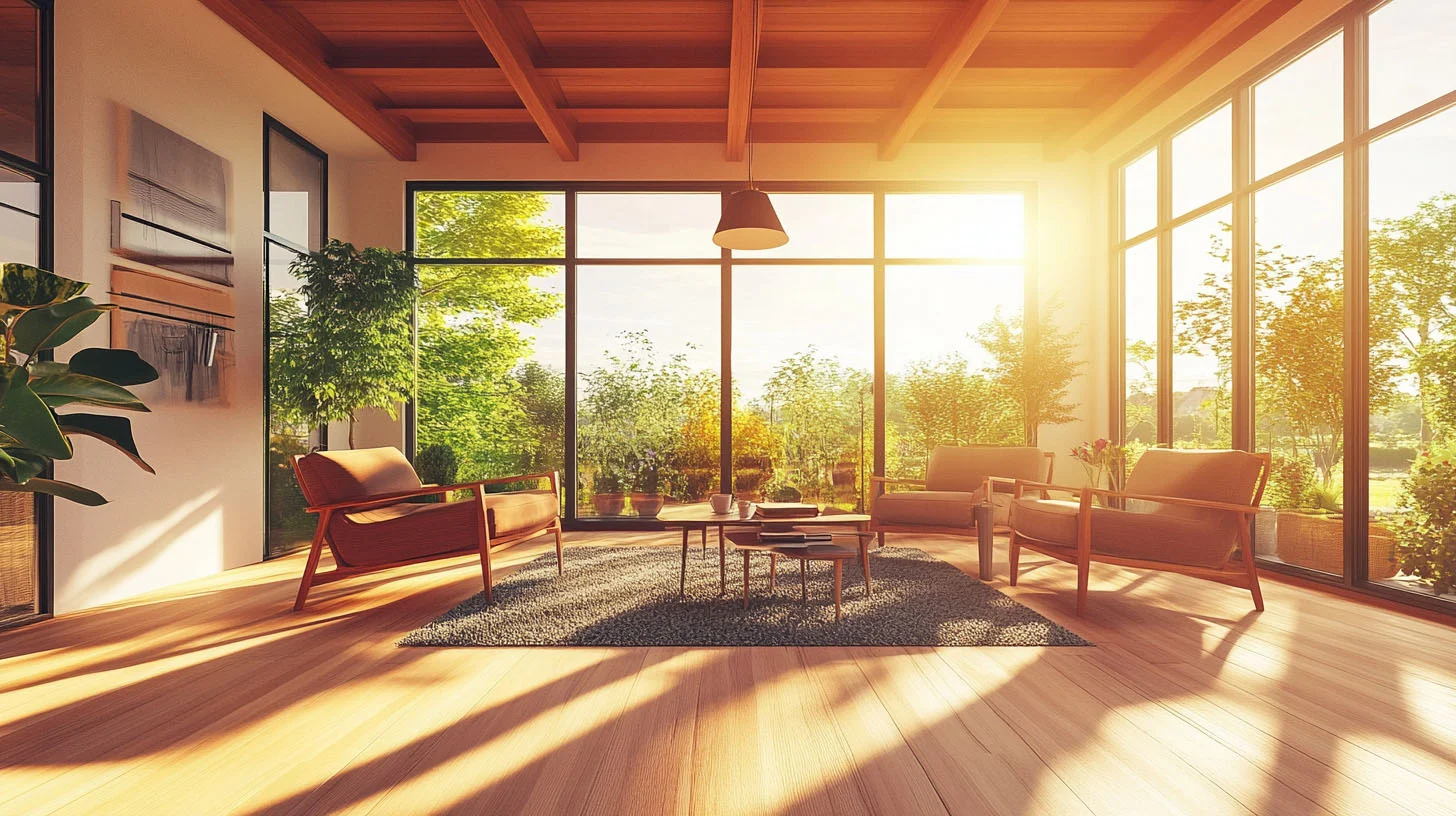
Incorporating design adjustments can significantly enhance comfort in sun-facing rooms. Utilizing window treatments such as thermal curtains or solar screens helps regulate light transmission and reduce solar gain, maintaining optimal indoor temperatures. Positioning oversized windows strategically can capture morning light while minimizing exposure during the hottest part of the day. Additionally, integrating clerestory windows allows for indirect light, which brightens the space without the burden of intense sunlight. By considering these simple changes, homeowners can actively improve energy efficiency and increase their overall comfort.
Energy Efficiency in Sunny Rooms
Maximizing energy efficiency in sun-exposed rooms hinges on strategically managing heat gain while embracing natural light. Utilizing window treatments such as solar screens and cellular shades can minimize solar heat gain, allowing for significant energy savings and lowering utility bills. Additionally, considering the solar heat gain coefficient during window selection is critical for maintaining comfortable indoor temperatures. Employing thermal mass, smart insulation techniques, and appropriate ventilation further enhances home comfort, ensuring that the brightest spaces remain pleasant without excessive cooling costs during the hottest parts of the day.
Reducing Cooling Costs With Smart Choices
Strategic decisions can significantly lower cooling costs in sun-facing rooms. Utilizing window treatments like thermal curtains or cellular shades helps to reduce heat gain while allowing for the transmission of natural light. Additionally, applying window film or using solar screens blocks intense sunlight and UV exposure, thereby enhancing energy efficiency. Incorporating features like clerestory windows can optimize both light and ventilation, maintaining pleasant indoor temperatures throughout the summer months. By focusing on energy performance, homeowners can achieve greater summer comfort and lower utility bills, all while enjoying the benefits of natural light.
Ventilation and Air Flow Tips
Effective ventilation is crucial for maintaining indoor comfort, especially in sun-facing rooms that experience significant heat gain. Maximizing airflow can be achieved through strategic window placement and the use of ceiling fans, encouraging cool air circulation and minimizing reliance on air conditioning. Consider incorporating solar screens or window films to reduce UV exposure while still allowing beneficial natural light. Employing thermal curtains during the hottest parts of the day can also offer significant energy savings, reducing cooling costs and enhancing your home’s overall energy efficiency.
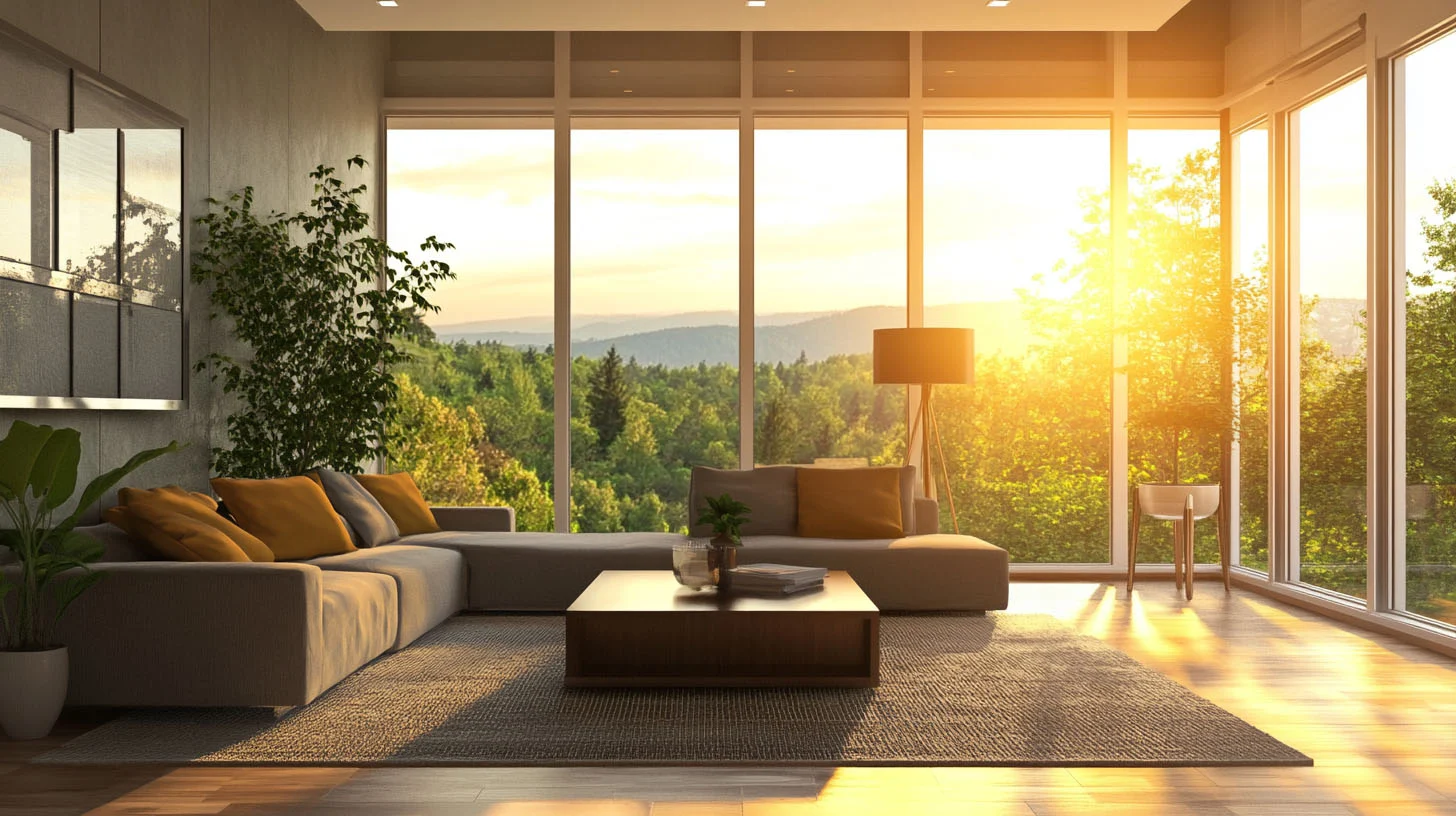
Insulation Tricks for Bright Spaces
To enhance the comfort of sun-facing rooms while maximizing natural light, insulation plays a critical role. Utilizing thermal curtains or cellular shades can significantly reduce heat gain by creating a barrier against intense sunlight during the hottest part of the day. Additionally, installing window films can limit solar radiation and UV exposure, reducing indoor temperatures and cooling costs. For greater energy efficiency, consider triple glazing, which minimizes heat transfer and air leaks. Strategically positioning deciduous trees outside can provide natural shade, enhancing the overall comfort and aesthetic of your living space.
Best Window Placement Strategies
Where you place your windows is as important as the type of window you choose. Strategic window placement can maximize natural light while minimizing negative effects like heat gain and glare. The goal is to invite in soft, indirect light and limit exposure to harsh direct sunlight, especially from the west.
Thoughtful window location is a core principle of energy-efficient home design. By considering the sun’s path and your home’s orientation, we can help you position windows to create bright, comfortable spaces without driving up your energy bills. Let’s look at how to optimize placement for both daylight and heat control.
Optimizing Window Location for Daylight
Prioritize larger windows on the south side of your home to bring in steady, beautiful daylight without harsh east or west exposure. Proper overhangs prevent summer overheating while allowing year-round light. Use different window types elsewhere. Clerestory windows—high, small openings—brighten rooms from above without glare or sacrificing privacy, making them ideal where large windows aren’t possible. Layering natural light deep into your living spaces supports energy efficiency and comfort. As a Plainwell/Otsego Chamber of Commerce member, we’re committed to smart, sustainable home design that enhances quality of life.
Reducing Heat Gain With Smart Positioning
Optimal positioning of windows and architectural features is crucial for minimizing heat gain in sun-facing rooms. Strategically placed windows can enhance light transmission while mitigating the effects of direct sunlight, allowing for improved indoor temperatures and energy performance. Utilizing awnings and overhangs can provide shade during the hottest part of the day, reducing reliance on cooling systems and lowering energy bills. Incorporating elements like clerestory windows or solar screens not only promotes natural light but also helps regulate heat transfer, contributing to a more comfortable living space.
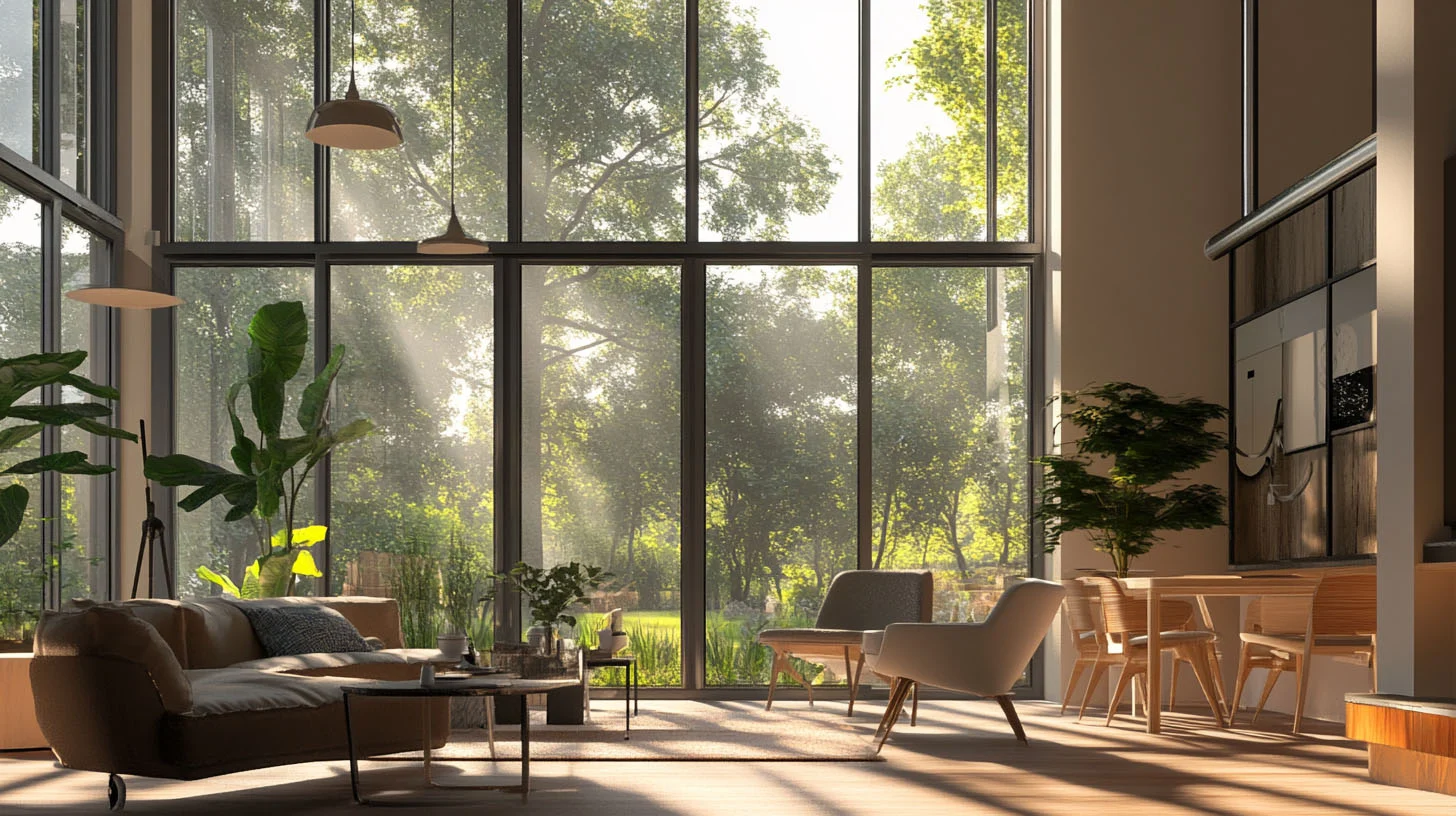
Architectural Features That Help Control Light and Heat
Utilizing specific architectural features can significantly enhance the comfort of sun-facing rooms while reducing heat gain. Strategically-placed clerestory windows allow for ample natural light without direct exposure to intense sunlight, thus minimizing unwanted solar heat. Overhangs and awnings can block the afternoon sun while still permitting morning light to enter, maintaining a pleasant ambiance. Additionally, incorporating thermal mass within walls can absorb heat during the day and release it at night, balancing indoor temperatures effectively. With thoughtful design, energy efficiency and summer comfort are achievable, making these spaces more pleasant all year round.
Let’s Transform Your Sun-Facing Spaces!
Balancing natural light and heat in sun-facing rooms is essential for creating a comfortable living environment. By understanding the dynamics of sun exposure, room orientation, and energy efficiency, you can make informed decisions that enhance your home’s comfort and appeal. Implementing simple design adjustments, choosing the right colors, and optimizing window placements will help you enjoy the benefits of natural light without the discomfort of excessive heat. At Howe Patio and Windows, we’re committed to helping you achieve your vision for a cozy home. Contact us today for a quote and let’s transform your sun-facing spaces into inviting retreats.
Frequently Asked Questions
Is a lower or higher SHGC better?
A lower Solar Heat Gain Coefficient (SHGC) is generally better for our Michigan climate, as it blocks more of the sun’s heat gain in the summer, reducing cooling costs. In very cold climates, a higher SHGC might be desired on south-facing windows to maximize free solar heat in the winter.
What facing room gets the most sun?
South-facing rooms receive the most consistent sun exposure throughout the day. However, west-facing rooms often feel the hottest because they get the most intense, direct afternoon sun during the warmest part of the day, leading to significant solar gain.
Read our blog: Choosing the Right Patio Layout: Dining, Lounge, Grill Zone, and Traffic Flow