Drafty Door Fixes: Weatherstripping, Thresholds, and When Replacement Makes Sense
Is a drafty door making your home feel chilly and driving up your energy bills? You are not alone. A drafty door can significantly impact your home’s comfort and energy efficiency. At Howe Patio and Windows, we believe you deserve to enjoy your life in a comfortable home. We are here to help you understand the simple fixes for a drafty entry door and know when it’s time for an upgrade.
Why Do Doors Get Drafty?
Doors can become drafty due to various factors like poor insulation, damaged weatherstripping, and gaps around frames. Seasonal changes in temperature and humidity can exacerbate these issues, leading to energy loss and discomfort inside your home, especially in areas with extreme climates.
Common Causes of Drafts Around Exterior Doors
Various factors contribute to the presence of drafts around exterior doors. One prevalent cause is the inevitable wear and tear of weather stripping, which can lead to gaps that allow chilly air to seep in. Temperature changes may cause materials to contract, impacting the tight seal along the door edges. Additionally, improper installation or shifting door frames can exacerbate air movement. The bottom of the door, especially near thresholds, often experiences deterioration, creating openings through which cool air enters, increasing energy loss and driving up those higher energy bills.
How Weather and Climate in Portage, MI Impact Door Performance
Understanding the local climate is crucial in assessing door performance. Portage, MI experiences significant temperature changes that can impact how well exterior doors seal against drafts. Extreme temperatures cause materials to expand and contract, potentially leading to gaps around the door edges. This can increase air movement, making it challenging to maintain a comfortable living space. Additionally, seasonal weather patterns may necessitate different types of weatherstripping or door sweeps to optimize energy efficiency and minimize energy bills, ensuring a snug fit that combats chilly air infiltration.
The Hidden Costs of Ignoring Drafts
Ignoring drafts can lead to significant hidden costs that extend beyond just discomfort. Over time, energy loss due to air movement around exterior doors accelerates utility bills, stressing a homeowner’s budget. Increased heating and cooling demands from drafts ultimately strain the cooling system or furnace. This not only disrupts the home’s comfort but can also affect indoor air quality, making it essential to address air leaks promptly. The long run benefits of sealing these gaps far outweigh the upfront costs associated with implementing effective draft solutions.
Energy Loss and Higher Bills
Chilly air seeping through gaps can significantly increase energy costs, resulting in higher utility bills. Inefficient doors allow warm air to escape during cold months while warming your living space becomes a major headache for your cooling system in summer. This air movement not only affects comfort but also strains your HVAC system, leading to additional energy loss. Taking action to seal air leaks with common types of weatherstripping or installing door draft stoppers provides a straightforward route to energy savings and improved home efficiency.
Impacts on Home Comfort and Indoor Air Quality
Drafty doors can significantly compromise your home’s comfort and overall indoor air quality. Air movement through gaps and leaks allows cold drafts to infiltrate, making living spaces uncomfortable and forcing heating systems to work harder. This increased energy loss not only leads to higher energy bills but can also result in poor air quality, as external pollutants enter the home. Addressing these drafty issues promptly enhances energy efficiency, ensuring a more pleasant environment, while also safeguarding the integrity of your indoor air.
Easy Ways to Identify a Drafty Door
Checking for draftszaround exterior doors involves simple techniques that can lead to significant energy savings. A common method is the incense stick test; light an incense stick and observe how the smoke behaves around the edges of the door. If it sways or flickers, air leaks are present. Another quick fix is to run your hand along the sides of your door; noticeable cold air indicates drafts. Installing door draft stoppers or using adhesive weatherstripping can provide immediate relief from chilly air and enhance your home’s comfort.
Simple DIY Inspection Methods
Understanding how to inspect your exterior doors for drafts can lead to significant energy savings. Start with a basic tool like an incense stick; hold it near the edges of the door. Any flickering movement indicates air leaks, confirming your suspicions. Next, consider checking the bottom edge of your door for gaps. Install a door sweep or a draft stopper to achieve a tighter seal. Regular inspections not only enhance your home’s comfort but can also prevent higher energy bills caused by unsealed air movement.
Tools and Tricks for Accurate Detection
Detecting drafts around exterior doors requires a keen eye and some specific tools. Consider using an incense stick to visualize air movement; the smoke will waver in the presence of drafts, making air leaks easier to identify. For a more high-tech approach, an infrared thermometer can provide readings of temperature changes around the door frame. Additionally, a simple strip of paper can serve as a tactile indicator—closing the door on it should create slight resistance. These methods can lead to effective weatherproofing solutions.
Best Weatherstripping Options for Exterior Doors
Selecting the right weatherstripping is crucial for maintaining your home’s comfort and enhancing energy efficiency. Common types include adhesive-backed foam, which easily conforms to the bottom edge of the door, and flexible metal strips, known for their durability and effective sealing against cold drafts. Consider using tubular rubber for a tight fit along the sides of your door. For sliding glass doors, a vinyl insert may provide an effective barrier against air leaks. Proper installation ensures a significant reduction in energy bills and a more comfortable living space.
Foam, Rubber, and Magnetic Strips Compared
Different materials used for weatherstripping yield varying results in sealing drafts around doors. Foam strips are affordable and easy to apply, making them a popular choice for temporary solutions, although they may wear out quickly. Rubber strips, on the other hand, offer durability and flexibility, ensuring a tight seal against air movement, especially in extreme temperatures. Magnetic strips provide an advanced option, effectively sealing sliding glass doors with a simple attachment. Each material serves a purpose, and selecting the right type can enhance energy efficiency and reduce utility bills significantly.
Choosing the Right Weatherstripping for Michigan Winters
Selecting appropriate weatherstripping is essential for enduring the harsh Michigan winters. Common types include tubular rubber and adhesive-backed vinyl insert, each offering varying levels of flexibility and insulation. For areas frequently subjected to extreme temperatures, a flexible metal strip serves as an effective barrier. In addition to door sweeps, consider draft stoppers for added protection against chilly air intrusion. Properly sealing the sides and bottom edge of your door can dramatically enhance energy efficiency, minimizing energy costs while maintaining your home’s comfort throughout winter’s coldest months.
Upgrading or Adjusting Your Door Threshold
Improving your door threshold can significantly enhance your home’s energy efficiency. A well-fitted threshold serves as a vital barrier against chilly air, sealing gaps that might otherwise allow drafts. Options include adjustable thresholds that accommodate temperature changes and regular wear over time or those made from materials like flexible metal strips for durability. While some homeowners may opt for the DIY route, professional installation guarantees a tight fit and longevity. Investing in this upgrade can lead to noticeable energy savings and increased comfort throughout your living space.
When Does a Threshold Cause Drafts?
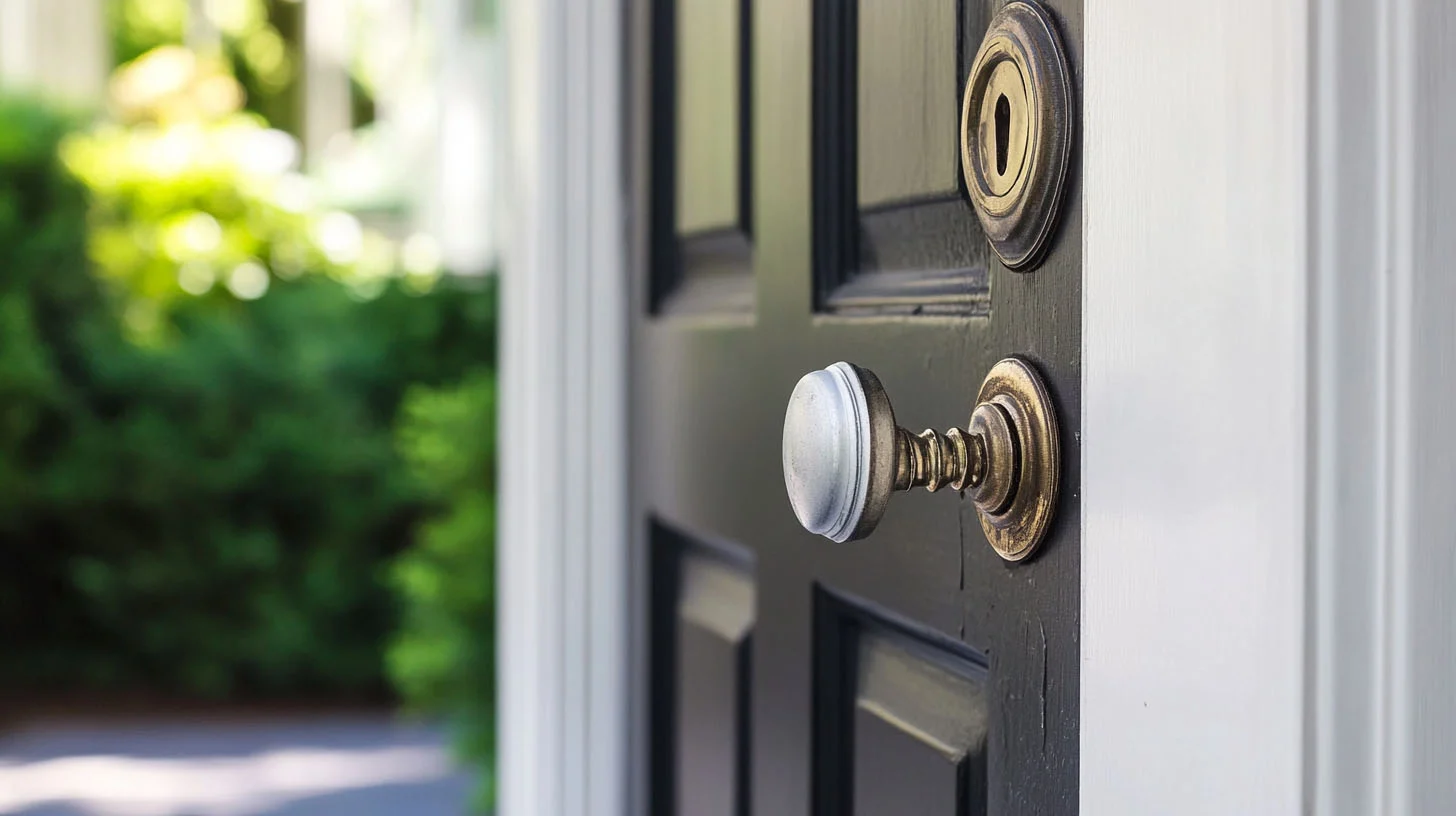
A worn or damaged threshold can cause drafts by failing to seal tightly against the door, allowing air and light through gaps. Cracked, compressed, or missing seals are common culprits. Improper adjustment is another issue. Most thresholds have screws for height; if set too low, gaps appear. Even well-adjusted thresholds may need readjustment as homes settle. To check your threshold, close the door and look for light or feel for drafts. Try sliding a piece of paper under the door—if it moves easily, the seal isn’t tight enough. Spotting these issues is the first step to a warmer, more energy-efficient home.
Adjustment vs. Replacement: What’s Best for Your Home?
When deciding between adjusting or replacing a drafty door, consider factors like the extent of damage, age, and energy efficiency. If minor adjustments can resolve drafts, they may be sufficient; however, significant issues warrant a complete replacement for optimal performance and comfort.
When It’s Time to Replace a Door Instead of Repairing
While repairs like weatherstripping and new door sweeps can solve many draft issues, sometimes a drafty door is a sign of a bigger problem. If your door is old, damaged, or inefficient, repairs may only be a temporary solution. In the long run, investing in a full replacement might be the more sensible and cost-effective choice.
A new door can offer superior insulation, enhanced security, and improved curb appeal. Knowing when to stop repairing and start replacing is key. At Howe Patio and Windows, we help homeowners make this decision by providing honest assessments. We will explore the clear signs that indicate your door has reached the end of its life.
Signs Your Door Needs Total Replacement
Persistent drafts that aren’t fixed by new weatherstripping or sweeps signal a problem. If repeated repairs don’t stop air leaks, the door may be damaged—warping, cracking, or visible issues prevent a proper seal.
Moisture between window panes means a failed seal and wasted energy. Difficulty opening or closing the door, even after hinge adjustments, usually points to warping in the door or frame. When repairs don’t work, replacement is often best.
At Howe Patio and Windows—BBB A+ rated and TOP contractor award winner—we recommend replacing doors when repairs fail. Our experts can assess your door and help you choose a secure, stylish, energy-efficient replacement from leading brands like Provia.
Benefits of Professional Installation from Howe Patio and Windows
Choose professional installation for your new door to ensure flawless performance from day one. At Howe Patio and Windows, our expert team delivers precise, careful installation—your door and frame are perfectly square, level, and sealed to prevent drafts. This attention to detail improves energy efficiency and comfort, even in high-traffic areas.
As an EPA-certified lead-safe renovator, we follow strict safety protocols to protect your family. We install trusted brands like Provia and Northstar for doors that boost curb appeal. Our process centers on your vision—we manage every detail.
Why choose us?
- Expert installation with a weather-tight seal
- Premium, energy-efficient doors from top brands
- Peace of mind with an award-winning local company
Get Quotes from Us Today
In conclusion, addressing drafty doors is essential for maintaining a comfortable and energy-efficient home. By understanding the common causes of drafts and implementing effective solutions like weatherstripping and adjusting thresholds, you can significantly improve your indoor environment. If repairs aren’t enough, knowing when to replace your door is crucial. With our expertise at Howe Patio and Windows in Portage, MI, we treat your home like our own, ensuring quality and satisfaction with every project. Ready to enhance your home’s efficiency? Get quotes from us today and let’s bring your vision to life!
Frequently Asked Questions
Do draft stoppers actually work?
Yes, draft stoppers work well as a temporary solution. These devices, often called door snakes, block the gap at the bottom of your door, preventing cold air from entering. While they are effective at stopping air leaks, they are not a permanent fix for underlying issues like worn weatherstripping.
How to fix draft coming through door?
To fix a drafty door, start by identifying the source of the leak. You can seal door gaps by applying new weatherstripping around the door frame, installing a door sweep at the bottom, or adjusting the threshold. For severe issues, replacing the door may be necessary.
Read our blog: Retractable vs Fixed Patio Covers: Which Fits Your Lifestyle Best?